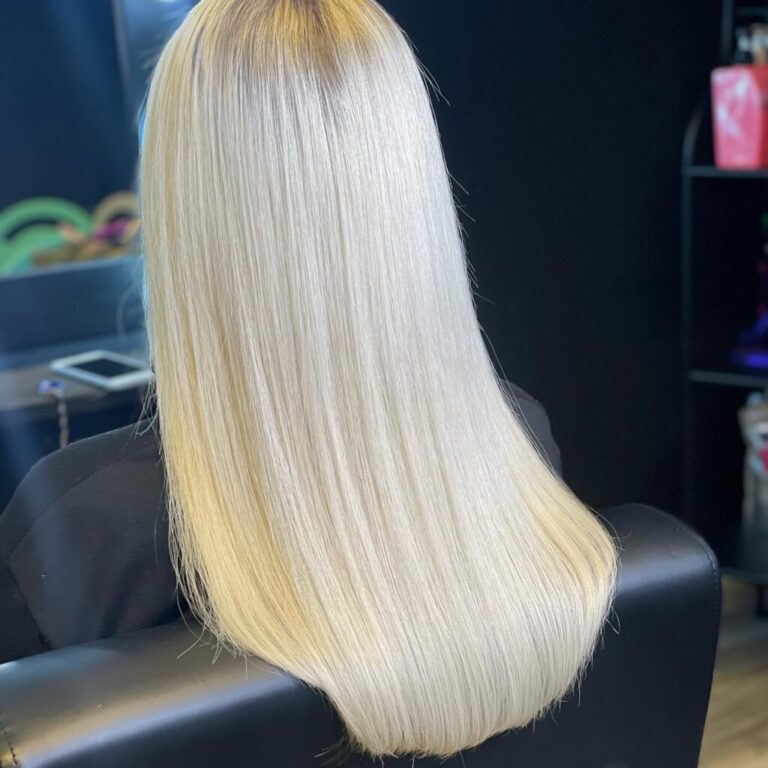
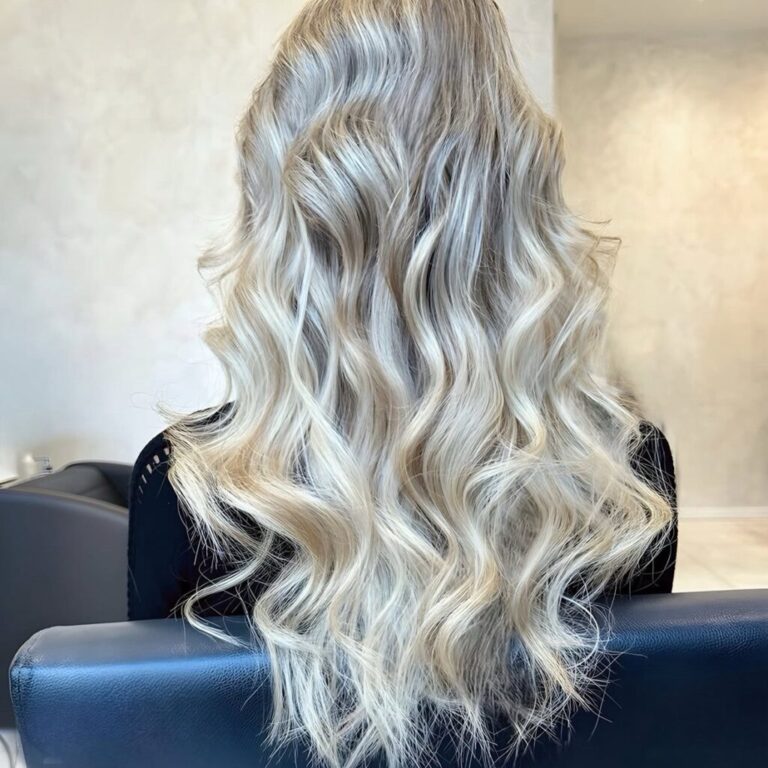
Human hair vs synthetic extensions:
pros and cons

Author: Viktoria Hashmi
Founder of RH Boutique & RH Boutique Academy
- Published on October 10, 2025
When it comes to enhancing one’s appearance, hair extensions have become a popular choice. The debate between human hair and synthetic extensions continues, with each having its own set of advantages and disadvantages.
The choice between human hair extensions and synthetic extensions largely depends on personal preference, budget, and the desired look. Human hair extensions offer a natural look and feel, while synthetic extensions provide a more affordable and diverse range of colors and styles.
Understanding hair extensions
The concept of hair extensions dates back centuries, with modern technology revolutionizing the way we use them today. Hair extensions have evolved significantly, from being a symbol of status and wealth to becoming a mainstream beauty accessory available to everyone.
What are hair extensions?
Hair extensions are hair pieces for women and men that add length, volume, or color to one’s natural hair. They can be made from various materials, including human hair and synthetic fibers, catering to different preferences and needs. Whether you’re looking for curly hair extensions or straight styles, there’s a wide range of options available.
The evolution of hair extension technology
The technology behind hair extensions has advanced considerably, offering more natural-looking and durable products. Real hair extensions, in particular, have seen significant improvements in terms of quality and application methods. This evolution has made hair extensions more accessible and user-friendly, allowing individuals to achieve their desired hairstyles with ease.
Today, hair extensions are not just for aesthetic purposes; they also offer a solution for individuals experiencing hair loss. With the variety of types and application methods available, users can choose the best option that suits their hair type and personal style.
Types of hair extension methods available today
With the advancement in hair extension technology, several application techniques are now available, catering to different hair types, lifestyles, and preferences.
In this article, we explore the various types of hair extensions in more detail.
Human hair extensions: an overview
Humans hair extensions are prized for their ability to blend seamlessly with one’s natural hair, offering a sophisticated and elegant look. Theyare a popular choice among individuals seeking to enhance their hairstyle with a natural and versatile solution.
The owner of salons in Milan and Dubai Viktoria Hashmi explains and shows the different types of hair we offer, and what to pay attention to — all on our YouTube channel.
The video is recorded in Italian, but you can watch it in English by turning on subtitles directly on YouTube.
Sources of human hair
Human hair extensions are sourced from various countries, with India and China being among the largest suppliers. The hair is often collected from temples, salons, and through direct sales from individuals.
Grades of human hair extensions
Human hair extensions come in different grades, which determine their quality and durability. The grading is based on the hair’s length, texture, and origin. High-quality human hair extensions are less prone to tangling and shedding, ensuring a longer lifespan.
Remy vs. Non-remy human hair
The main difference between Remy and non-Remy human hair lies in the collection and processing methods. Remy hair is considered superior because it is collected with the cuticles intact and aligned in the same direction, reducing tangling and ensuring a more natural look. Non-Remy hair, on the other hand, is collected without preserving the cuticle direction, often from mixed sources.
What makes remy hair premium?
Remy hair is premium due to its minimal processing and careful handling, which preserves the cuticles. This results in hair that is soft, shiny, and durable, making it highly sought after for hair extensions.
Understanding the sources, grades, and types of human hair extensions can help individuals make informed decisions when choosing the best hair extensions for their needs.
Synthetic hair extensions: an overview
For individuals seeking a temporary hair transformation, synthetic hair extensions offer a versatile and affordable solution. These extensions are made from man-made fibers designed to mimic the look and feel of natural hair.
Materials used in synthetic extensions:
Synthetic hair extensions are typically made from polypropylene or nylon fibers. These materials are chosen for their durability and ability to hold style. The quality of synthetic fibers can vary significantly between brands, affecting the overall appearance and longevity of the extensions.
Quality variations in synthetic hair
The quality of synthetic hair extensions can differ based on the manufacturing process and materials used. High-quality synthetic fibers are designed to be more resilient and have a more natural appearance. They are also less prone to tangling.
Heat-friendly vs. traditional synthetic fibers
One of the key distinctions in synthetic hair extensions is between heat-friendly and traditional fibers. Heat-friendly synthetic fibers can withstand high heat styling tools, offering more versatility in styling. In contrast, traditional synthetic fibers are more prone to damage from heat and should be styled with caution.
Understanding these differences is crucial for choosing the right synthetic hair extensions that meet your styling needs and preferences.
Pros and cons of human vs. synthetic hair extensions – what should you pay attention to?
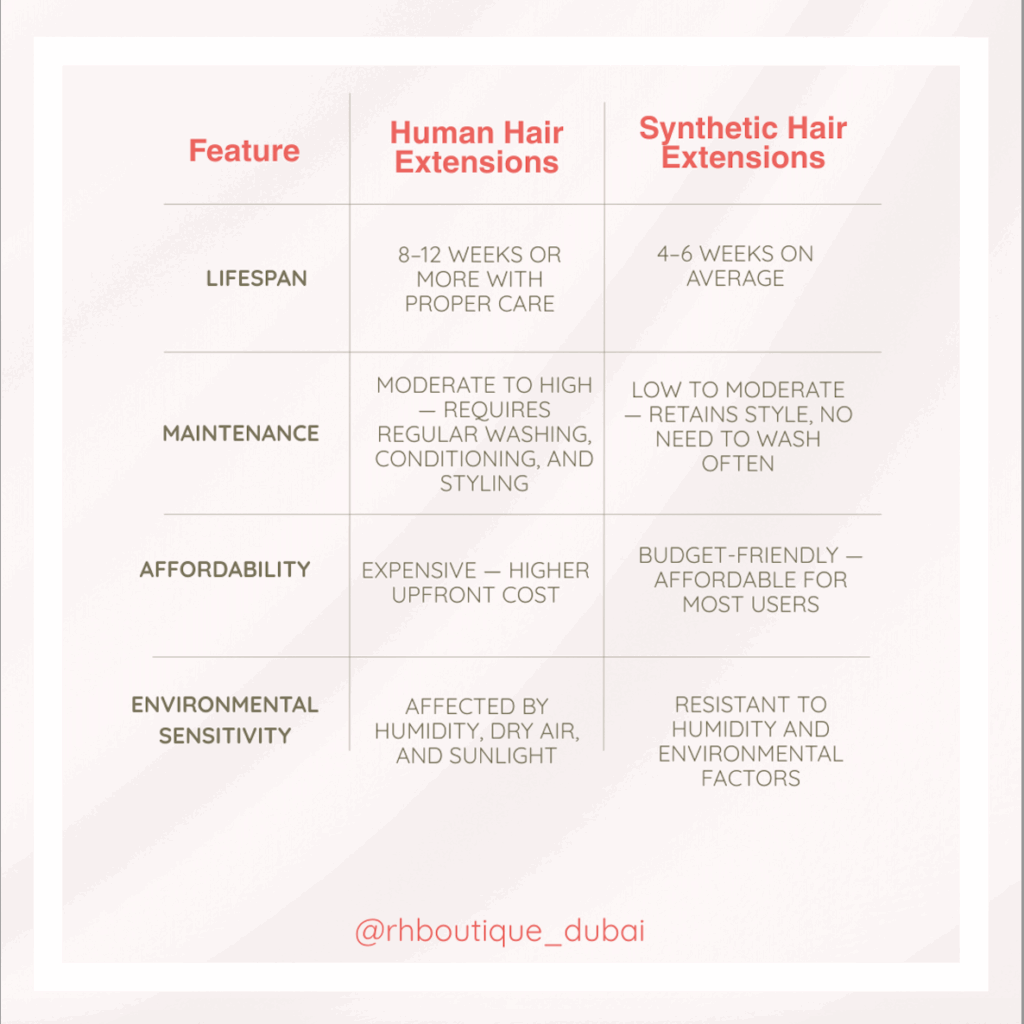
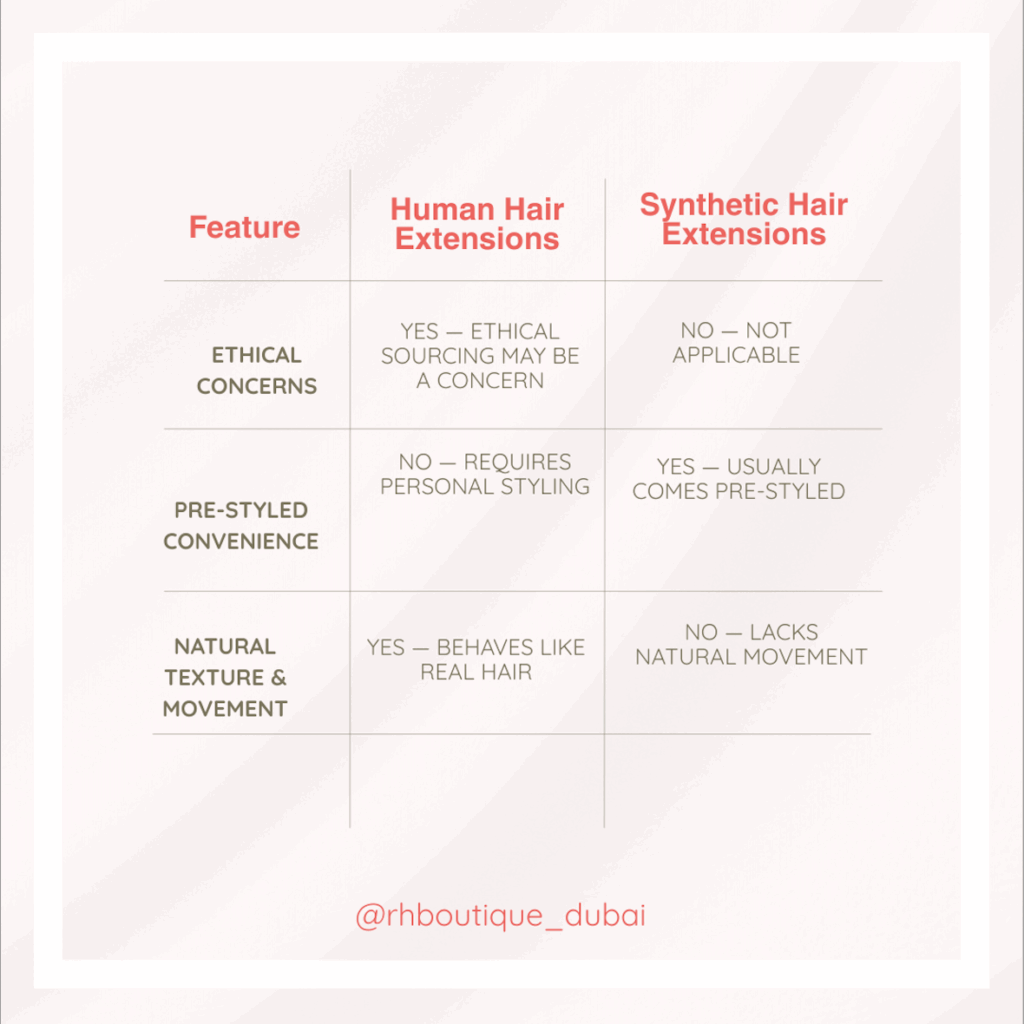
Here’s the main comparison table of human vs. synthetic hair extensions. More details on each point are provided below.
Pros vs cons of human hair extensions
When it comes to hair extensions, human hair stands out for its ability to blend seamlessly with natural hair. This characteristic makes human hair extensions a highly sought-after choice for individuals looking to enhance their hair’s length, volume, or color.
Natural look and feel
- One of the primary advantages of human hair extensions is their natural look and feel. Unlike synthetic fibers, human hair has a more authentic texture and movement, making it virtually indistinguishable from one’s own hair.
Styling Versatility
- Human hair extensions offer unparalleled styling versatility. They can be styled, cut, and colored just like natural hair, allowing for a wide range of creative possibilities.
Longevity and Durability
- With proper care, human hair extensions can be incredibly durable and long-lasting. They can withstand repeated styling and coloring, making them a worthwhile investment for many users. A well-maintained human hair ponytail extension, for example, can last for several months.
Color Matching and Dyeing Options
- Human hair extensions can be easily dyed to match or change your hair color, offering a high degree of flexibility. This feature is particularly useful for achieving seamless hair extensions that blend perfectly with your natural hair. Whether you’re looking to enhance your natural color or try a new shade, human hair extensions can be customized to meet your needs.
Cons of human hair extensions
While human hair extensions offer numerous benefits, they also come with several drawbacks that users should be aware of. One of the primary concerns is the higher cost associated with purchasing high-quality human hair extensions. When sourcing from reputable hair vendors, the cost can be significantly higher compared to synthetic alternatives.
Higher cost investment
- The initial investment for human hair extensions can be substantial, particularly for premium quality or best tape in hair extensions. This higher upfront cost can be a deterrent for many potential users.
Maintenance requirements
- Human hair extensions require regular maintenance to keep them looking their best. This includes regular washing, conditioning, and styling, which can be time-consuming and may require professional assistance.
Susceptibility to environmental factors
- Like natural hair, human hair extensions are susceptible to environmental factors such as humidity, dry air, and exposure to sunlight, which can affect their texture and longevity.
Ethical considerations in hair sourcing
- There are also ethical considerations to take into account when sourcing human hair, particularly regarding ethical hair sourcing. Ensuring that the hair is sourced responsibly and with respect for the donors is crucial.
While human hair extensions offer many benefits, their drawbacks, including higher costs, maintenance needs, susceptibility to environmental factors, and ethical sourcing concerns, are important considerations for potential users.
Pros vs cons of synthetic hair extensions
The advantages of synthetic hair extensions make them an attractive choice for many users. Synthetic extensions have evolved significantly, offering a range of benefits that cater to diverse hair needs.
Affordability and accessibility
- One of the primary advantages of synthetic hair extensions is their affordability. Compared to human hair extensions, synthetic options are generally more budget-friendly, making them accessible to a wider audience. This affordability does not compromise on the quality, as many synthetic fibers are designed to mimic the look and feel of natural hair.
“Synthetic hair extensions offer a cost-effective solution without sacrificing style,” says a leading hair expert. This makes them an ideal choice for those looking to enhance their hair without breaking the bank.
Pre-styled convenience
- Synthetic hair extensions often come prestyled, saving users time and effort. Whether it’s a curly, straight, or wavy style, synthetic extensions are ready to wear, making them a convenient option for busy individuals.
Color consistency
- Synthetic hair extensions are available in a wide range of colors, and they maintain their color consistency over time. Unlike human hair, which can fade or change color with exposure to environmental factors, synthetic extensions retain their vibrant colors, ensuring a consistent look.
Cons of synthetic hair extensions
While synthetic hair extensions offer several benefits, they also come with significant drawbacks that users should be aware of. These disadvantages can impact the overall user experience and satisfaction with the product
Limited styling options
- One of the primary limitations of synthetic hair extensions is their inability to be styled like human hair. Heat styling tools can damage or melt synthetic fibers, restricting users to a specific style or look. This limitation can be particularly frustrating for individuals who like to change their hairstyle frequently.
Shorter lifespan
- Synthetic hair extensions generally have a shorter lifespan compared to human hair extensions. They are more prone to tangling and can lose their style and texture over time, especially with repeated wear. This means that users may need to replace their synthetic extensions more frequently, which can be inconvenient and costly in the long run.
Maintenance and care guide for hair extensions
To keep your hair extensions looking their best, it’s crucial to understand the specific care requirements for each type. Whether you’re using human hair or synthetic extensions, proper maintenance is key to prolonging their lifespan and maintaining their quality.
Caring for human hair extensions
Human hair extensions require regular washing and conditioning, similar to your natural hair. Use sulfate-free shampoos and conditioners to keep the hair moisturized. It’s also recommended to use a hydrating mask once a week to prevent dryness and tangling.
Caring for synthetic extensions
Synthetic hair extensions are more delicate and require gentler care. Avoid using heat styling tools, as they can damage the fibers. Instead, opt for pre-styled synthetic extensions or use a cool setting on your styling tool if necessary.
Products and tools recommended
For both human and synthetic hair extensions, using the right products is essential. Look for extension-specific shampoos, conditioners, and styling products. In the UAE, you can find a variety of products at salons offering hair extensions near me services.
Professional maintenance services in UAE
For optimal care, consider visiting professional salons that offer maintenance services for hair extensions. Many salons in the UAE provide specialized UAE hair extension services.
We also provide a full range of hair extension care services. You can find more details on our website.
Making the right choice for your hair extension needs
Choosing between human hair and synthetic extensions depends on several factors, including your budget, desired look, and maintenance preferences. Human hair extensions offer a natural look and feel, styling versatility, and longevity, but come with a higher cost and maintenance requirements. On the other hand, synthetic hair extensions provide affordability, pre-styled convenience, and low maintenance, but may lack the natural appearance and styling flexibility of human hair.
Understanding the pros and cons of human hair vs synthetic extensions is crucial in making an informed decision that suits your needs. Whether you opt for human hair or synthetic extensions, proper care and maintenance are essential to extend their lifespan and keep them looking their best.
By weighing the advantages and disadvantages of each type, you can choose the hair extensions that best fit your style, budget, and preferences, ensuring a satisfying and long-lasting hair enhancement experience.
FAQ
What is the difference between human hair and synthetic hair extensions?
Human hair extensions are made from real human hair, offering a natural look and feel, while synthetic hair extensions are made from artificial fibers, providing a more affordable and low-maintenance option.
How long do human hair extensions last?
Human hair extensions can last for several months to a year or more with proper care and maintenance, depending on the quality and application method.
Can I style synthetic hair extensions with heat?
Some synthetic hair extensions are heat-friendly, but it’s essential to check the manufacturer’s guidelines before using heat styling tools to avoid damaging the fibers.
Can I dye my synthetic hair extensions?
It’s generally not recommended to dye synthetic hair extensions, as the artificial fibers may not take the color well, and the dyeing process can damage the extensions.
What is the difference between Remy and non-Remy human hair extensions?
Remy human hair extensions are considered premium due to their high quality, as the cuticles are intact and aligned, reducing tangling and shedding, whereas non-Remy hair may have been processed to remove cuticles, affecting its overall quality.
How often should I wash my hair extensions?
About the author:
Viktoria Hashmi
Viktoria Hashmi is a visionary in the world of luxury hair extensions, with over 10 years of international experience. As the founder of RH Boutique Milan and Dubai, she pioneered the Microcapsule technique, setting new standards of quality, natural results, and safety in the industry.
Her philosophy goes beyond beauty — she believes every woman deserves to feel confident, elegant, and empowered. Through her academy and personal mentorship, Viktoria continues to inspire professionals and clients to embrace authenticity and excellence in every detail.